
GUIDE TO ZHUGE EIGHT-DIAGRAMS VILLAGE
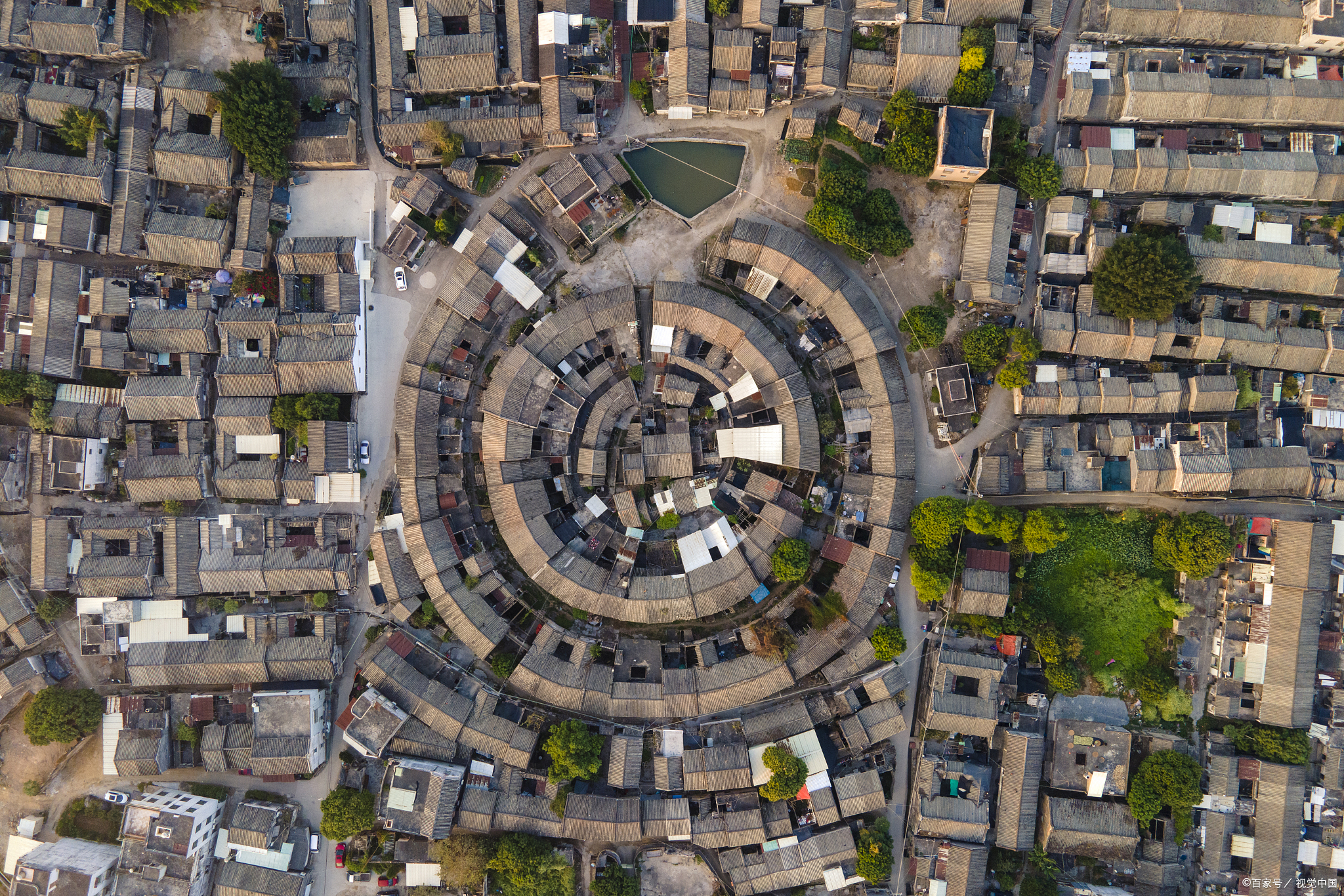
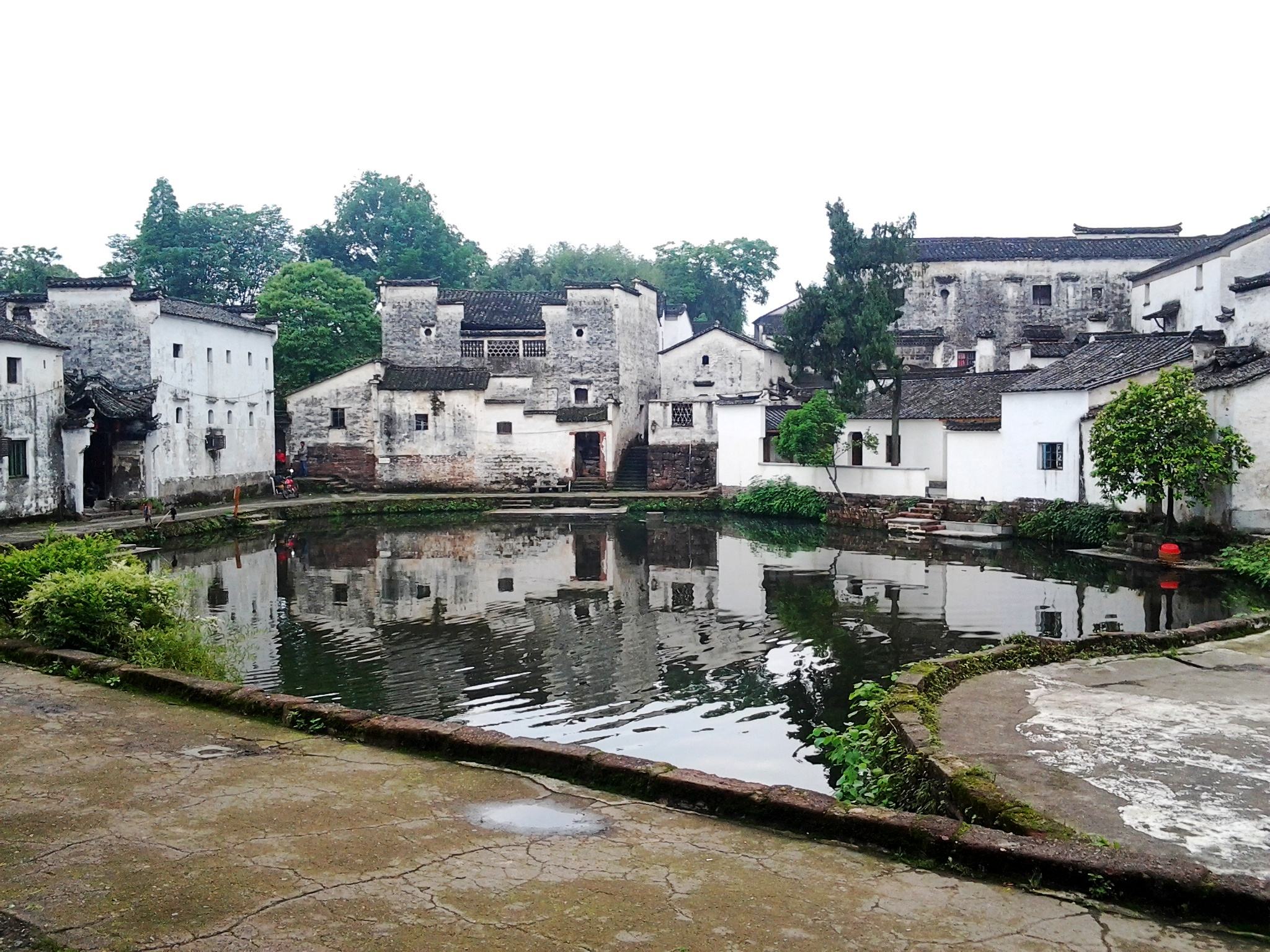
"A living I-Ching puzzle: 500 descendants of strategist Zhuge Liang reside in concentric rings of Ming houses. The central "Yin-Yang Pond" never dries or floods."
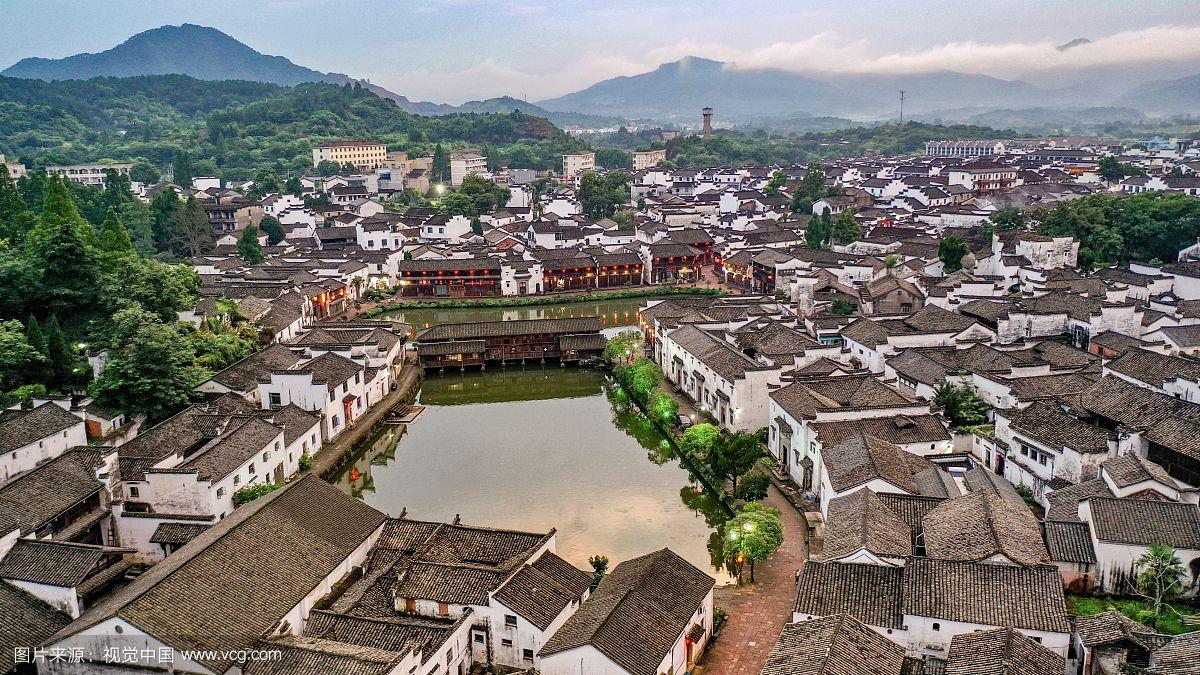
Nestled in Lanxi, Jinhua, Zhejiang Province, Zhuge Bagua Village (Zhuge Eight Trigrams Village) stands as China’s largest and best-preserved settlement of Zhuge Liang’s descendants, dating back to the Song-Yuan dynasties. Named for its unique Bagua (Eight Trigrams) layout, the village is a living museum of ancient Chinese geomantic wisdom.
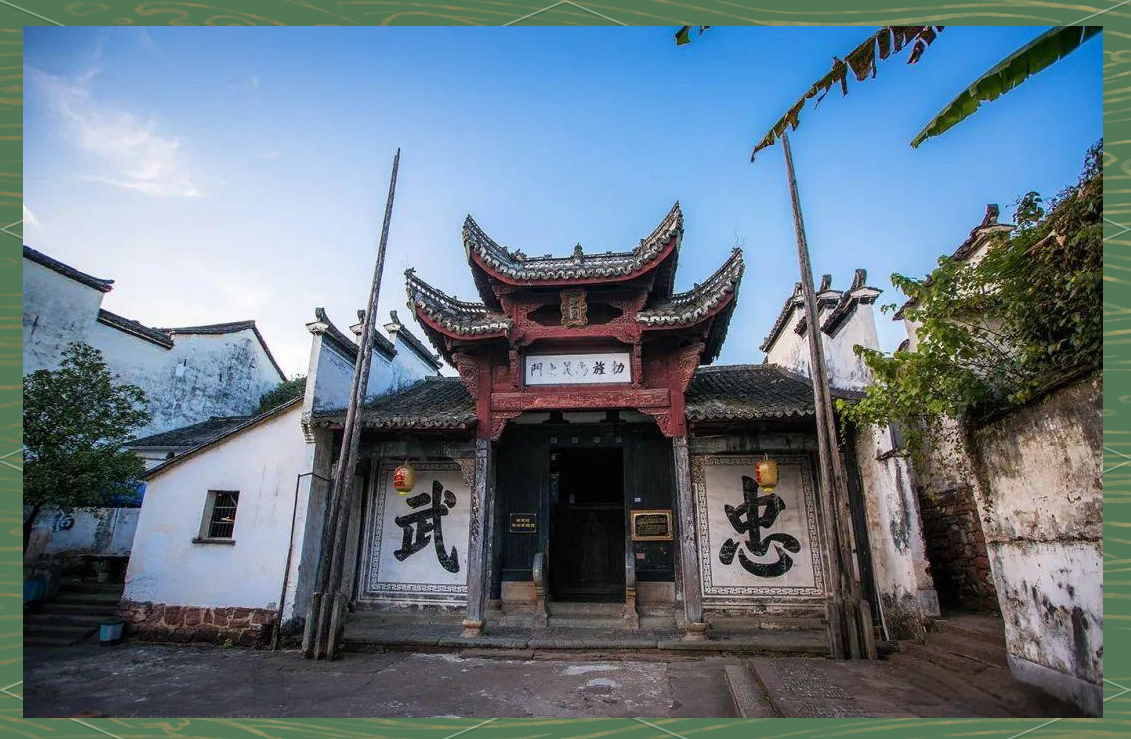
Centered on the crescent-shaped Bell Pond (symbolizing Yin-Yang), eight main lanes radiate outward, mirroring the Bagua’s eight directions, creating a labyrinthine defense system and harmonious balance with nature. Over 200 well-preserved Ming-Qing era buildings—including the Ancestral Hall of Prime Minister Zhuge and traditional dwellings with carved wood and brick—reflect the Zhuge family’s legacy of loyalty and intellect.
Culturally, it preserves Zhuge Liang’s teachings on strategy, ethics, and medicine; many villagers still practice traditional Chinese medicine and farming. Listed as a national cultural relic, the village blends architectural artistry, historical significance, and philosophical depth, offering a vivid glimpse into the Zhuge clan’s 800-year heritage and China’s ancient village planning.
Attraction TypeHistorical Site and Museum
Cultural attraction
CityJinhua, Zhejiang Province
Trip.com Rating4.3/5
Best Time to VisitSpring, Fall
Province Map