
GUIDE TO JIEYANG
A living museum of Chaoshan culture, blending jade artistry and gourmet traditions along the Rongjiang River
National Historical and Cultural City China’s Jade Carving Capital Famous City of Chaozhou Opera
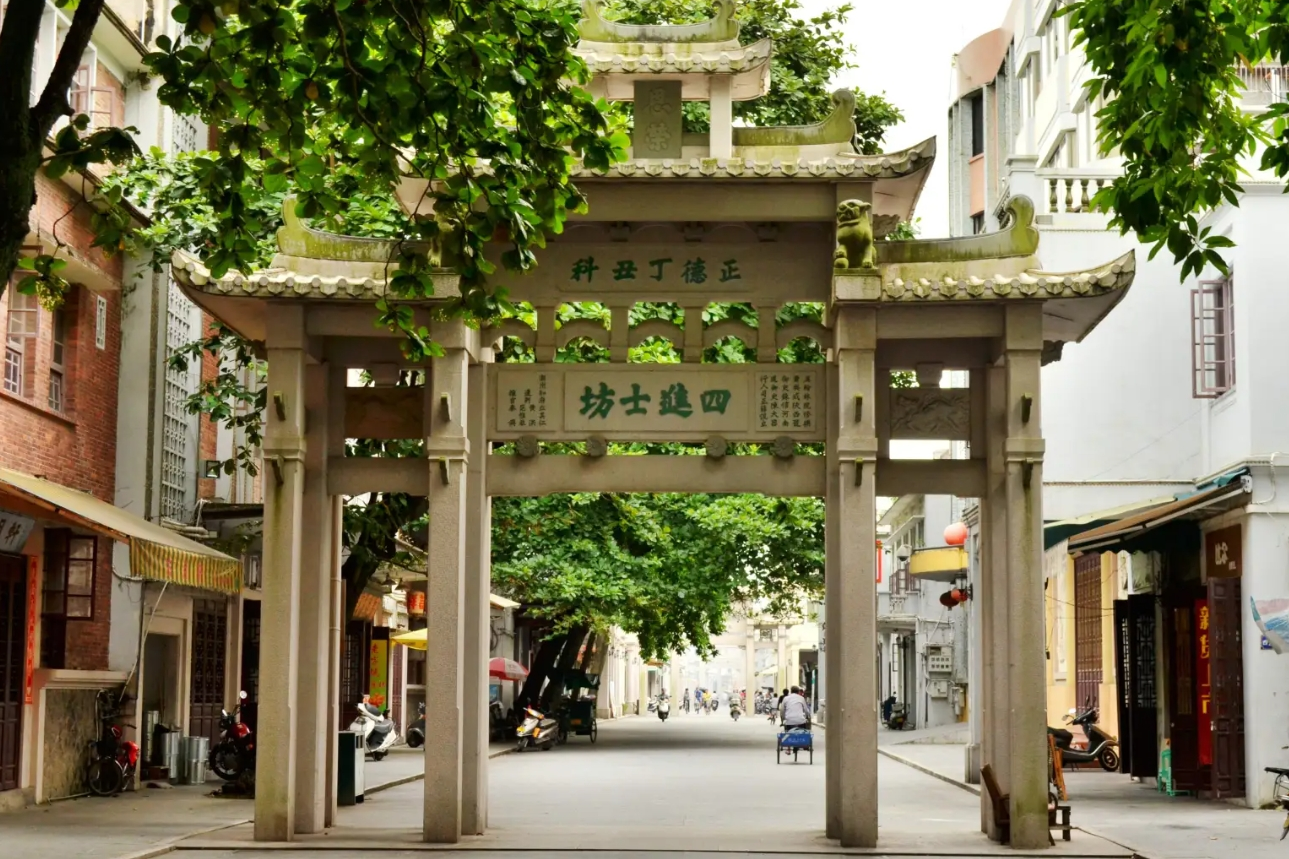
Nestled along the Rongjiang River delta and opening to the South China Sea, Jieyang is both a jewel in Guangdong’s eastern coastline and a vibrant gateway to the Chaoshan cultural heartland—shared with its celebrated sister city, Chaozhou. Together, they form a tapestry of heritage, handcraft, and coastal charm, where the rhythm of dragon boat races mingles with the chime of jade-carving tools, and ancestral traditions flow seamlessly into modern life.
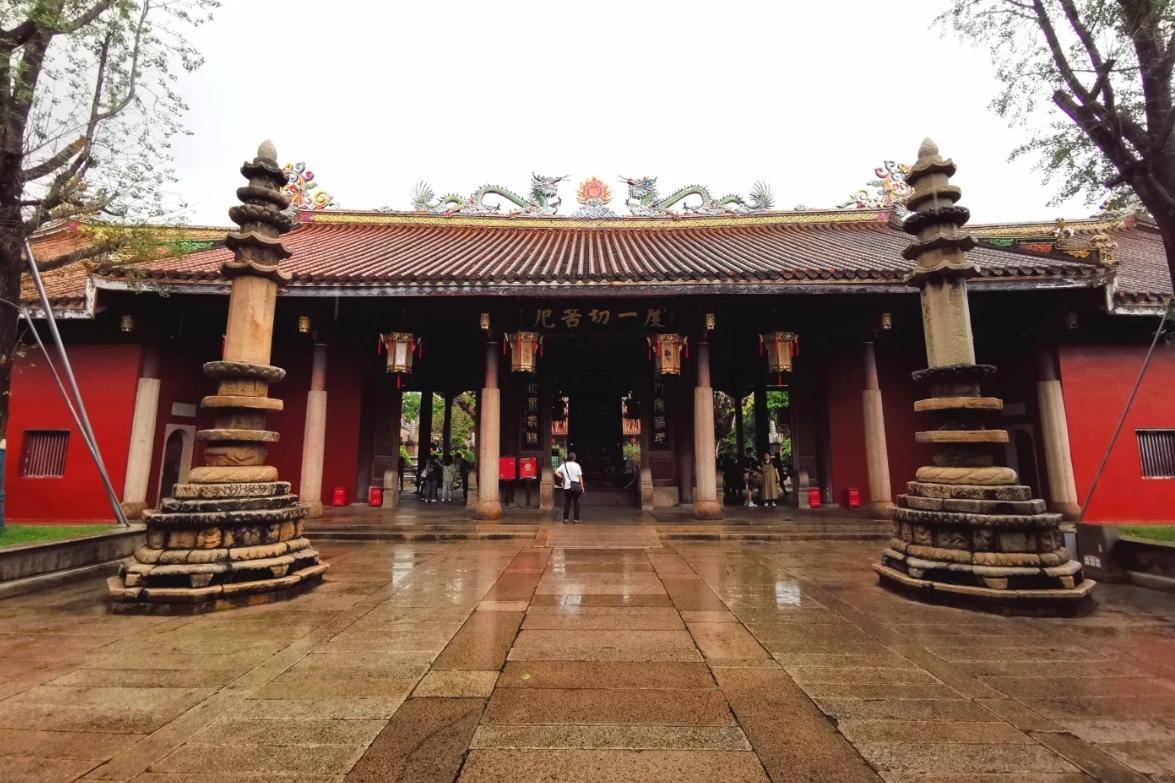
As a key node in the Chaoshan cultural circle—an area renowned for its linguistic, culinary, and artistic traditions—Jieyang bridges its Song Dynasty roots (formally founded in 513 AD) with contemporary artisanal prowess. Iconic landmarks range from the octagonal, 36-meter-tall Jinxian Gate (a Ming Dynasty city tower) to the “Thousand-Buddha Mural” of Longchuan Temple, a 700-year-old masterpiece of Chaozhou woodcarving. Its Tang Dynasty porcelain kilns once supplied imperial courts; today, it leads China’s jade industry, with Yangmei Jade Village’s 2,000+ workshops transforming Burmese jade into intricate pendants and Buddha statues.
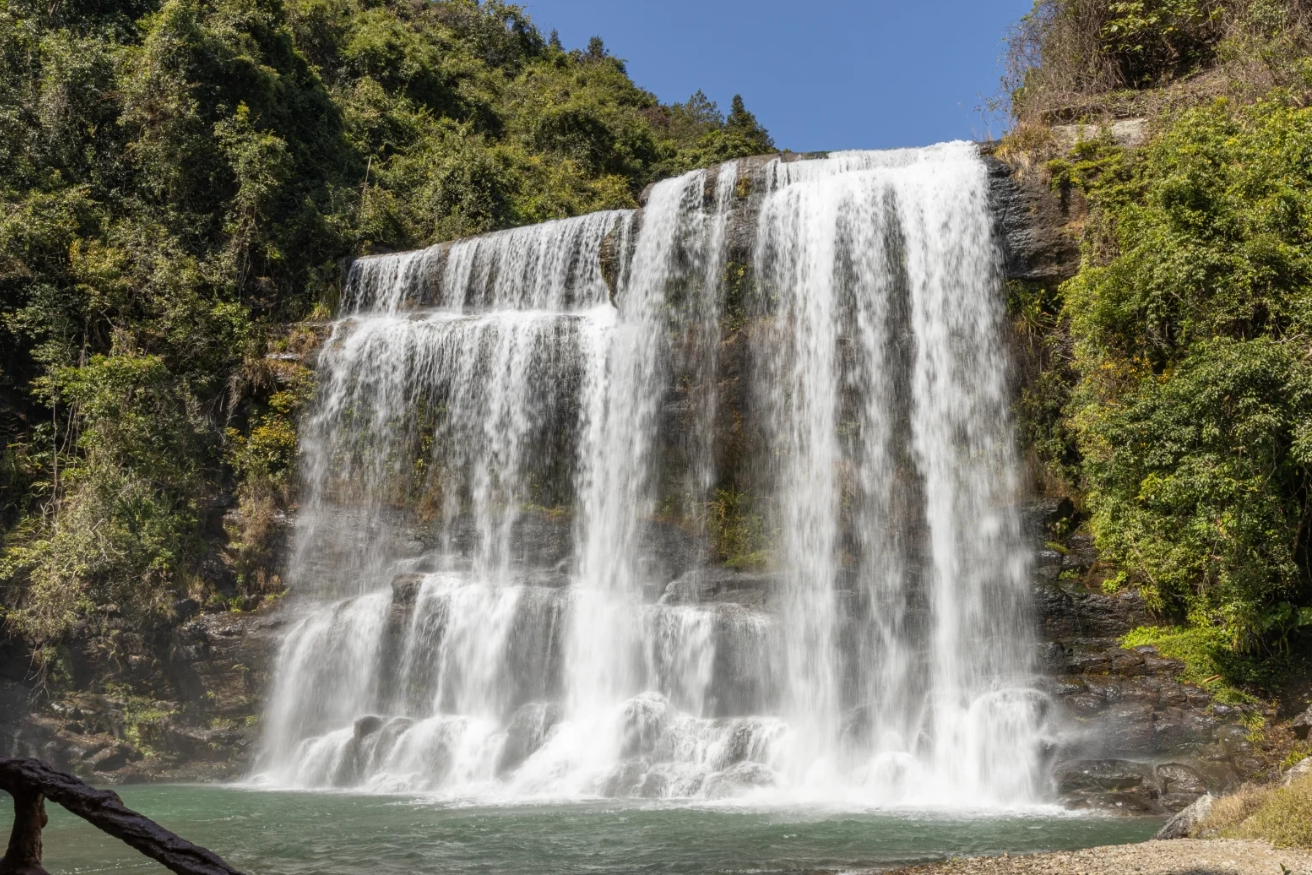
Across Chaoshan, time-honored arts thrive. Jieyang’s “Qiaolin Fire Dragon Dance”—a 300-year-old Lunar New Year ritual where 30-meter dragons, adorned with fireworks, light up the night—shares the stage with Chaozhou’s famed “Embedded Porcelain” roof decorations, which shimmer atop ancestral halls. Nature enriches this cultural landscape: Jieyang’s 80-meter Huangmanqi Waterfall, nicknamed the “Oriental Niagara,” and Sangpu Mountain’s Song Dynasty stone inscriptions offer serene escapes, while Chaozhou’s Han River meanders past historic temples and stone bridges.
And then there’s the food—an inseparable thread in the Chaoshan identity. From Jieyang’s “Pingpang Kueh” (sesame-stuffed glutinous rice cakes) to Chaoshan beef balls (hand-chopped for a springy bite) and crispy oyster omelets, every dish is a celebration of precision and flavor perfected over centuries. Beyond the cities, heritage villages and fishing ports—like Nigou Ancient Village’s 600-year-old Hakka-Chaoshan courtyards or Huilai’s golden beaches—carry forward a lifestyle shaped by sea, soil, and craft.
Here, in Jieyang, Chaozhou, and the greater Chaoshan region, visitors discover not just places, but an unbroken cultural rhythm—where millennia-old craftsmanship, river and sea, and the warmth of Chaoshan hospitality invite immersive exploration.
RegionSoutheastern China
Best Time to VisitSpring, Fall
City CategoryHeritage & Cultural
Nature & Scenic
Province Map
Transportation

Airport
Jieyang Chaoshan International Airport (SWA)

High-speed Rail
High-Speed Railway Stations (Jieyang North Railway Station, Chaozhou Railway Station)
Must See
Trending Attractions in Jieyang
Discover the iconic attractions that make Jieyang unique, from ancient wonders to contemporary highlights.
Huang Manzhai Waterfall
Natural landscape
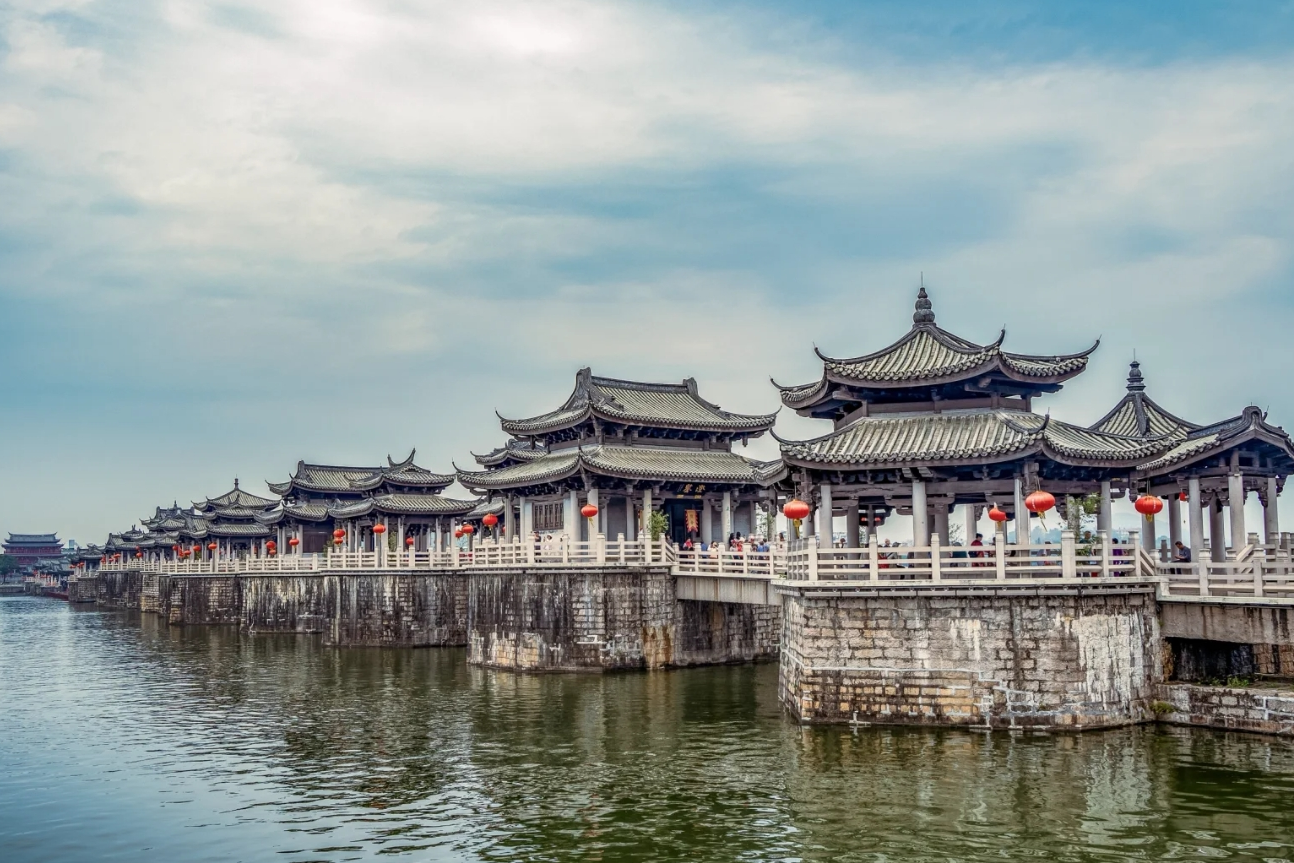
Guangji Bridge
Historical Site and Museum
Chaozhoukaiyuan Temple
Historical Site and Museum
Ancient City of Chaozhou
Historical Site and Museum
Nan'ao Island
Natural landscape
Luofu Mountain Scenic Area
Natural landscape
Essential Jieyang Experiences
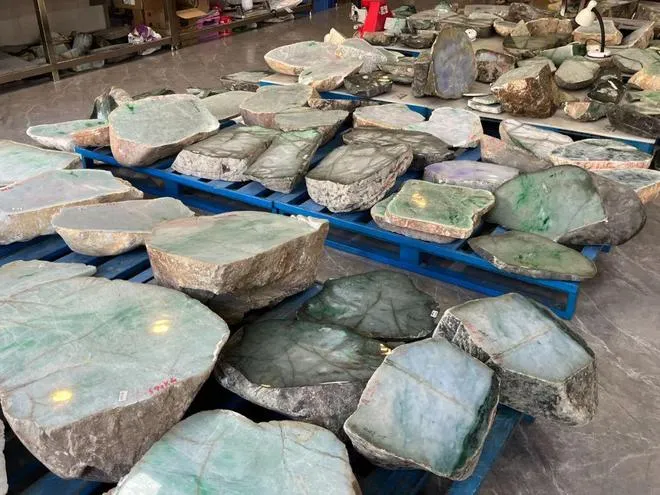
Yangmei Jade Cultural Park 阳美玉文化产业园
A 500-acre enclave in Rongcheng District, this park merges workshops with museums. Watch master carvers etch "phoenix and peony" patterns onto jade bracelets using diamond-tipped tools, browse the "Imperial Jade Hall" (showcasing replica Qing Dynasty tribute pieces), or join a "Jade Polishing Workshop"—where you transform raw jade into a personalized pendant, guided by fourth-generation artisans.
Artisan Hub & Jade Masterpiece Gallery
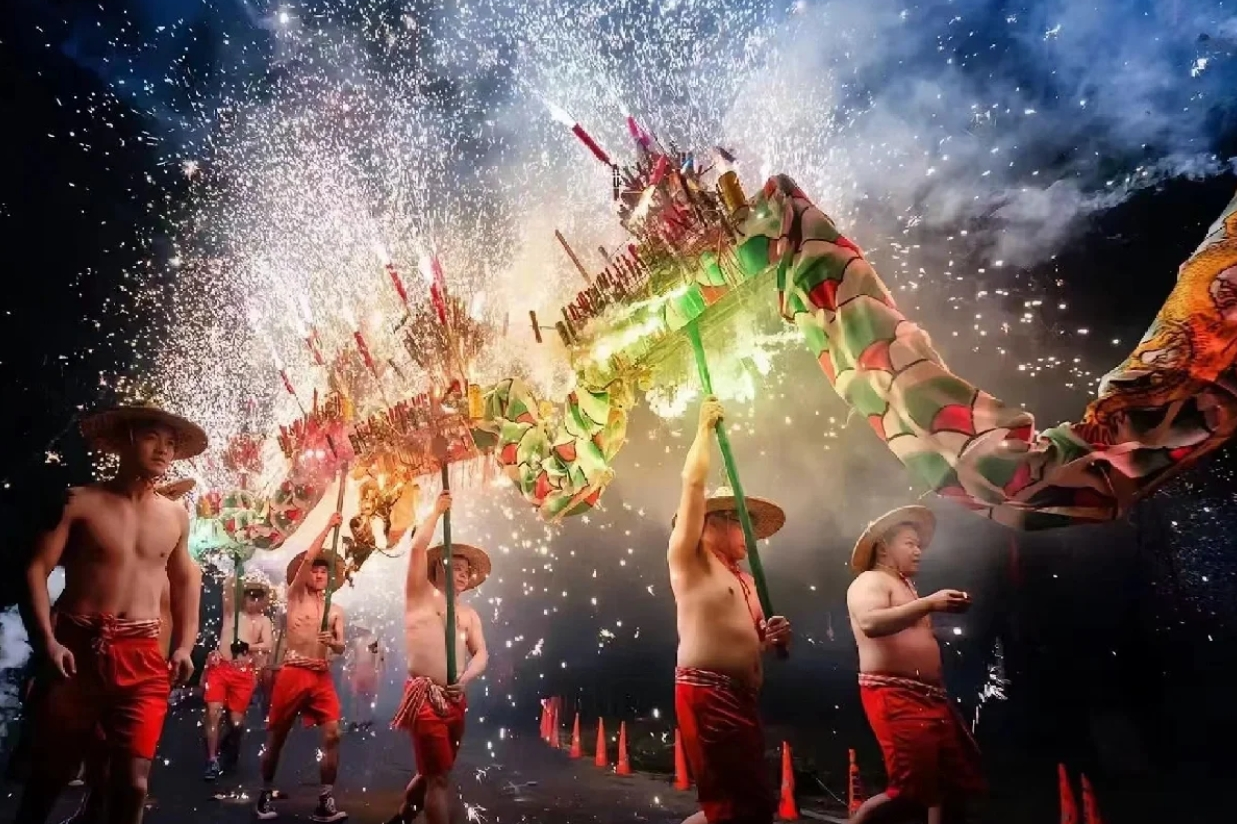
Qiaolin Fire Dragon Village 桥林火龙村
A 600-year-old village in Rongjiang District, famed for its "Fire Dragon Dance"—a UNESCO-listed intangible heritage. Visit during Lunar New Year to witness 30m dragons, covered in 10,000+ fireworks, writhe through lanes to the beat of gongs. Year-round, explore the "Dragon Workshop" (where craftsmen spend 3 months weaving bamboo frames and pasting paper scales) or sample "Dragon Dumplings"—red-dyed glutinous rice balls served with osmanthus syrup, a ritual snack.
Folk Art & Cultural Ritual Site
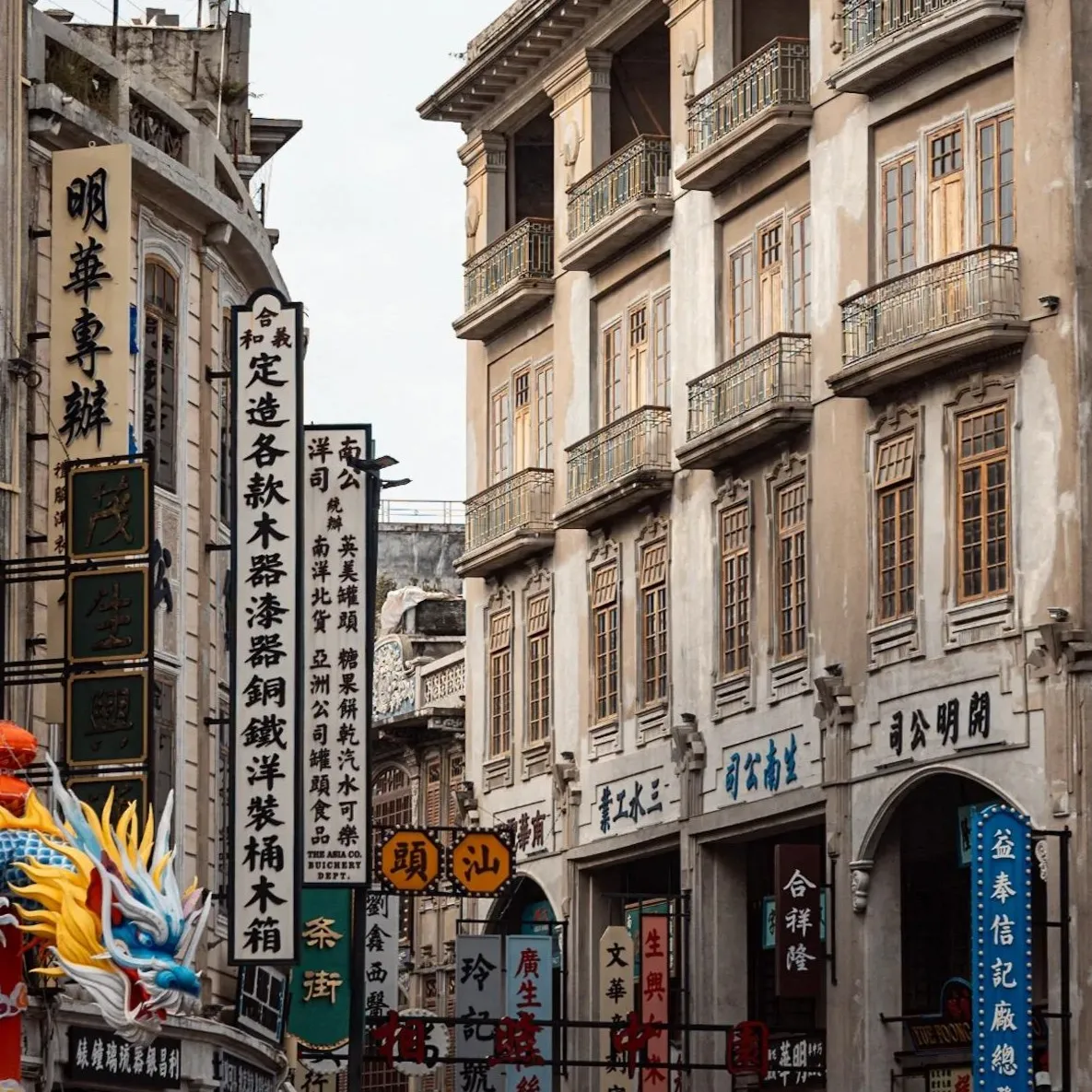
Shantou Old Town 汕头老城
Shantou Old Town, with its arcaded “Qilou” buildings and winding alleys, offers a nostalgic glimpse into the Chaoshan region’s maritime heritage and traditional life.
Cultural Old Town
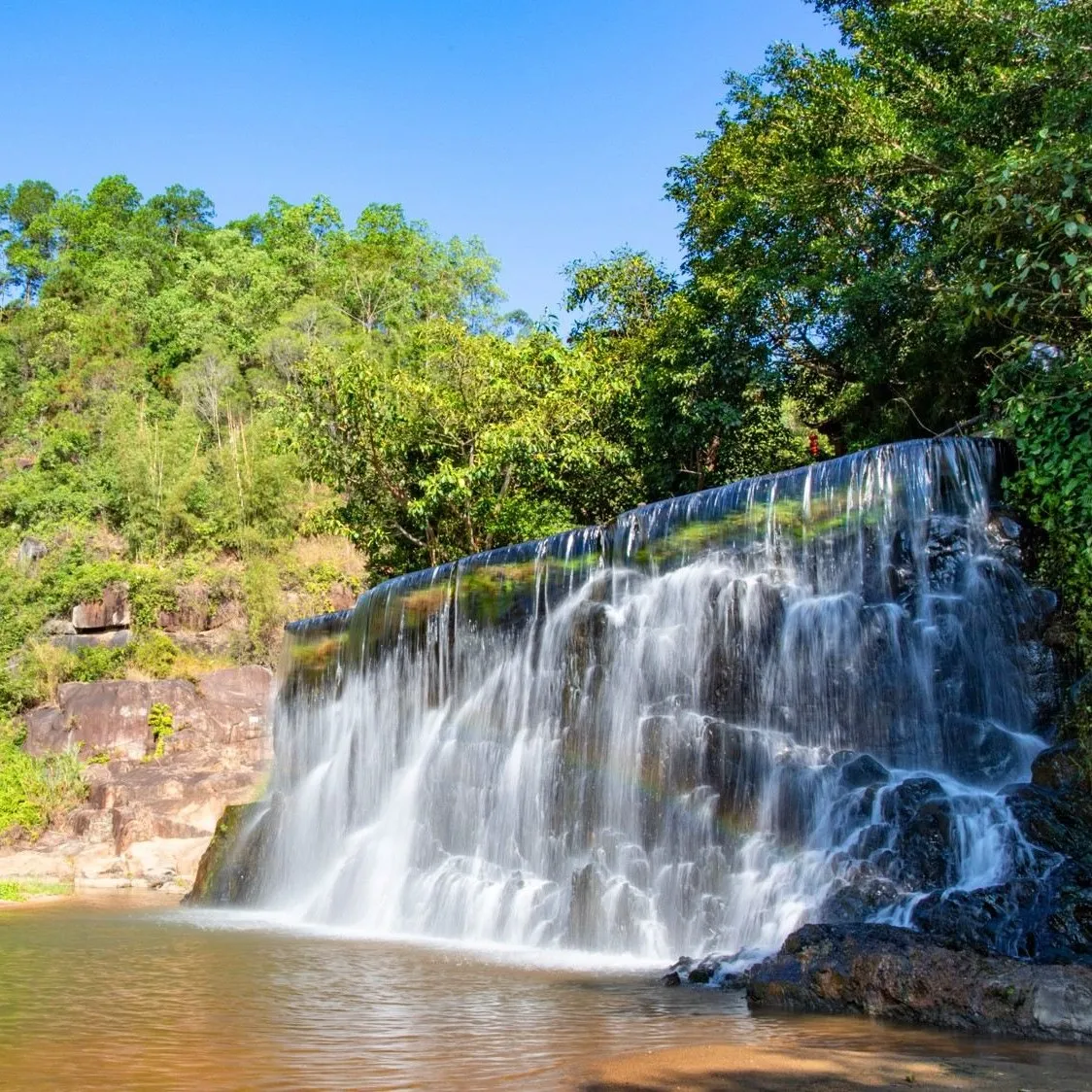
Qinglan Guai-Jiu Valley National Geopark 青岚怪臼谷国家地质公园
Unfold an 8-km gorge filled with thousands of bizarre glacial stone basins, caves, and waterfalls sculpted by nature over millions of years, offering a surreal and poetic geological wonder.
National Geopark
Local Cuisine
Local Specialty Restaurant Recommendations
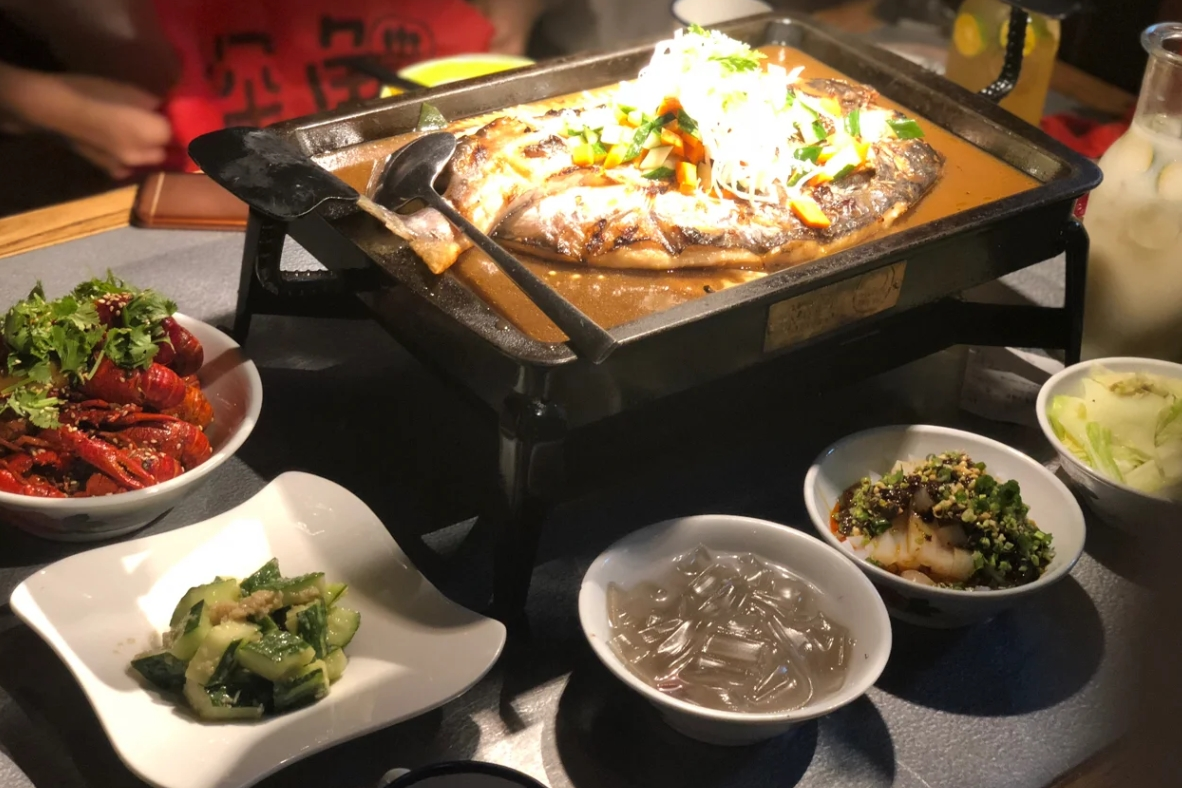
Tanyu Restaurant探鱼
A popular grilled fish spot renowned for signature dishes like soy sauce-flavored grilled fish, Chongqing tofu grilled fish, and fresh green pepper-spiced grilled fish. A local and tourist favorite, it often draws long queues for its tender, flavorful fish and casual dining vibe.
Grilled Fish Specialty
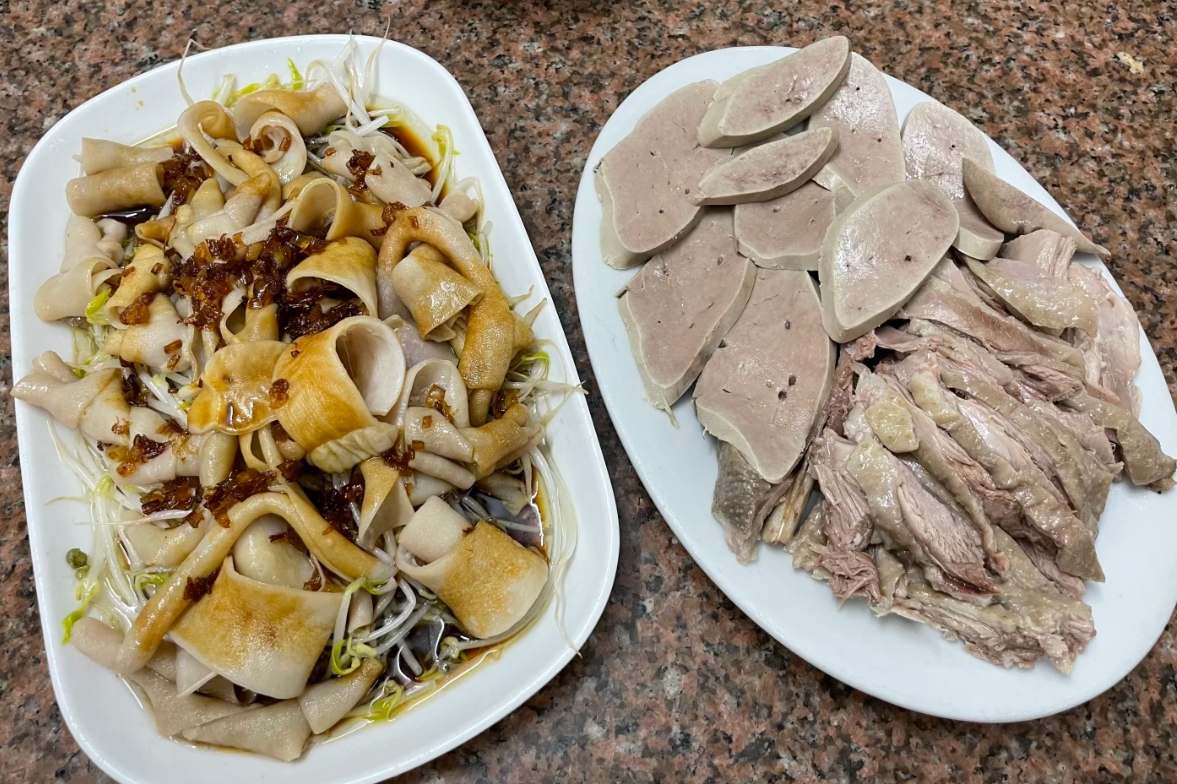
Pushang White-Cut Goose Restaurant 埔上一只鹅
A budget-friendly eatery famous for authentic white-cut Shitou goose (lion head goose) and marinated goose offal platter (liver, gizzard). A neighborhood staple, it attracts locals with its fresh, no-frills preparation and nostalgic home-style flavors, often bustling during meal times.
White-Cut Goose Specialty
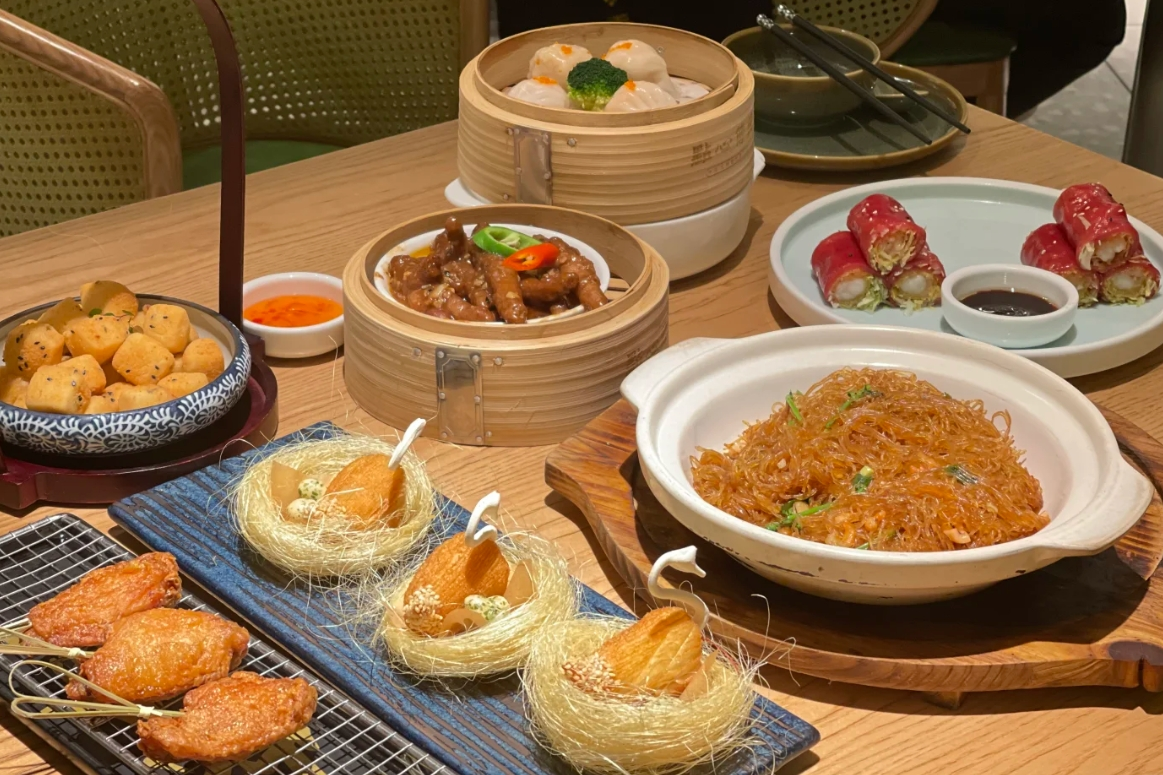
Dim Sum Legend 点心传说
A top-rated Cantonese dim sum chain focusing on handcrafted, freshly steamed dishes like shrimp dumplings, red rice noodle rolls, and baked barbecued pork buns. Blending traditional Guangdong dim sum with Chaozhou gongfu tea culture, it’s a local favorite for family gatherings, often with queues for its nostalgic yet innovative fare.
Cantonese Dim Sum Specialty
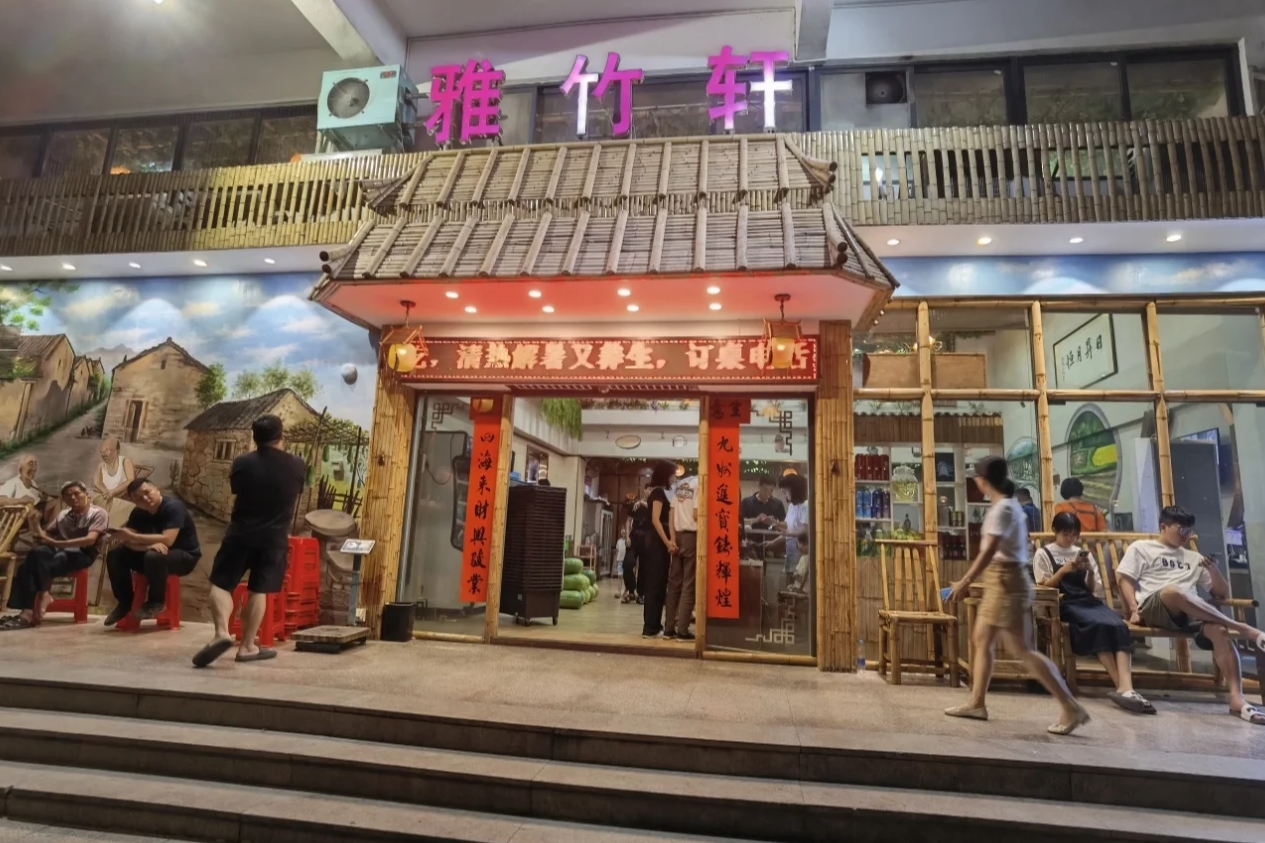
Jieyang Yazhuxuan Winter Melon Pot Hotpo雅竹轩冬瓜盅火锅
A long-standing hotpot venue celebrated for its signature winter melon pot—fresh winter melon hollowed as the pot, simmered with duck, shrimp, abalone, and seasonal greens for a sweet, refreshing broth. Known for ultra-fresh ingredients (live shrimp, tender chicken) and family-friendly ambiance, it’s packed with locals during meal times.
Winter Melon Pot Hotpot Restaurant
Nearby Attraction